Explore the Rich Heritage of Lucknow: A Tour Package , Imagine walking through corridors that once echoed with royal footsteps, standing beneath domes that have witnessed centuries of history, and tasting flavors that have been perfected over generations in royal kitchens. This isn’t a fantasy—this is Lucknow, a city where heritage isn’t just preserved in museums but lives and breathes in every street, every building, and every tradition.
Lucknow, the capital of Uttar Pradesh, stands as one of India’s most historically significant cities. Often called the City of Nawabs, it represents the pinnacle of Awadhi culture and refinement. But what makes Lucknow truly special isn’t just its magnificent monuments or its legendary cuisine—it’s the way the city has managed to keep its heritage alive while embracing modernity. A heritage tour package offers you the perfect opportunity to dive deep into this fascinating world, where every stone has a story and every tradition carries the weight of centuries.
The Legacy of Lucknow’s Rich Heritage
What exactly do we mean when we talk about Lucknow’s heritage? It’s more than just old buildings and historical dates. It’s an entire way of life that evolved over centuries.
Architectural Marvels from the Nawabi Era
The Nawabs of Awadh were more than just rulers—they were visionaries who transformed Lucknow into an architectural wonderland. During the 18th and 19th centuries, they commissioned monuments that blended Mughal, Persian, and European architectural styles. The result? Structures that are not only beautiful but also engineering marvels that continue to puzzle and amaze architects today.
Each monument tells a unique story. Some were built as acts of devotion, others as famine relief projects that employed thousands, and still others as symbols of power and prestige. The intricate carvings, the perfectly balanced domes, the elaborate gateways—all reflect an era when art and architecture were considered the highest expressions of culture.
Cultural Traditions That Define the City
But Lucknow’s heritage isn’t confined to stone and mortar. The city’s true wealth lies in its living traditions. The famous “tehzeeb” (etiquette) of Lucknow, the poetic language peppered with Urdu phrases, the tradition of Kathak dance, the craft of Chikankari embroidery—these are the threads that weave together the fabric of Lucknow’s cultural identity.
Even today, you’ll find craftsmen practicing techniques passed down through generations, chefs preparing dishes exactly as they were made in royal kitchens, and families maintaining customs that date back centuries. This continuity is what makes Lucknow’s heritage living rather than static.
What Makes Heritage Tour Packages Special?
You might wonder, can’t I just visit these places on my own? Sure, you could. But would you truly understand what you’re seeing?
Curated Historical Experiences
Heritage tour packages are carefully designed to give you more than just a superficial glimpse. They take you deeper into the historical context, connecting different sites to create a comprehensive narrative. You’re not just seeing isolated monuments—you’re following the thread of history that ties them all together.
Immersive Cultural Activities
The best heritage packages don’t just show you the past—they let you experience it. Imagine attending a classical Kathak performance in a heritage haveli, learning Chikankari embroidery from master craftsmen, or cooking traditional Awadhi dishes using royal recipes. These hands-on experiences transform you from a tourist into a participant in the living heritage.
Expert Storytelling by Local Guides
History comes alive through stories, and local guides are the best storytellers. They share anecdotes that you won’t find in any guidebook—tales of romance and intrigue, of battles and bravery, of artists and architects. They point out details you’d otherwise miss and answer questions that help you understand not just what happened, but why it mattered.
Iconic Heritage Sites in Lucknow
Let’s explore the monuments that form the backbone of any heritage tour package.
Bara Imambara: A Marvel of Engineering
The Bara Imambara is where your heritage journey truly begins. Built in 1784 by Nawab Asaf-ud-Daula, this complex architectural marvel serves multiple purposes—a congregation hall, a charity project, and a testament to human ingenuity.
The main hall, measuring 50 meters long and 15 meters high, has no supporting beams or pillars. How did 18th-century architects create such a massive unsupported ceiling? The answer lies in an ingenious interlocking brick technique that distributes weight so perfectly that the structure has stood strong for over two centuries. Standing in this vast space, you can’t help but feel dwarfed by both the physical structure and the engineering genius behind it.
The Mysterious Bhool Bhulaiya
Above the main hall lies the Bhool Bhulaiya—a labyrinth of over 1,000 narrow passages, staircases, and balconies. Some passages lead to the rooftop, others to dead ends, and a few to the main hall below. This maze was supposedly designed to confuse enemies in case of attack, but today it serves as an adventure for visitors. Without a guide, you’d be hopelessly lost within minutes. The passages are dark, narrow, and disorienting—exactly as intended.
Chota Imambara: The Palace of Lights
If Bara Imambara impresses with its engineering, the Chota Imambara captivates with its beauty. Built in 1838 by Muhammad Ali Shah, this monument is also known as the “Palace of Lights” because of the way it glows when illuminated at night.
The interior is adorned with chandeliers imported from Belgium, ornate silver furniture, and elaborate calligraphy. Golden and silver decorations cover the walls and ceilings, creating an atmosphere of almost dreamlike opulence. The monument serves as both a congregation hall and the mausoleum of its builder, reflecting the dual purpose many Lucknow monuments serve.
Rumi Darwaza: Gateway to the Past
Standing 60 feet tall, the Rumi Darwaza is perhaps the most photographed monument in Lucknow. This imposing gateway, built in 1784, was inspired by the Sublime Porte in Constantinople (modern-day Istanbul). The name “Rumi” itself means Roman, referring to the Byzantine influence.
The gateway doesn’t lead anywhere in particular—it’s purely ornamental, a statement of architectural ambition. But it perfectly symbolizes the grandeur and vision of the Nawabi era. As you stand before this massive structure, you’re standing at the threshold between old Lucknow and new, making it the perfect symbolic start to any heritage tour.
La Martiniere College: Colonial Grandeur
This extraordinary building represents a fascinating blend of architectural styles—Baroque, Gothic, and Indo-Islamic elements come together in an eccentric masterpiece. Originally built as a residence by French soldier Major General Claude Martin, it later became one of India’s most prestigious schools.
The building is packed with curiosities—underground passages, a cannon mounted on the roof, and the tomb of its builder in the basement. Walking through its corridors feels like stepping into a Gothic novel set in colonial India.
Lucknow’s Heritage Through Its Architecture
Understanding the architectural heritage helps you appreciate what you’re seeing.
Indo-Islamic Architectural Style
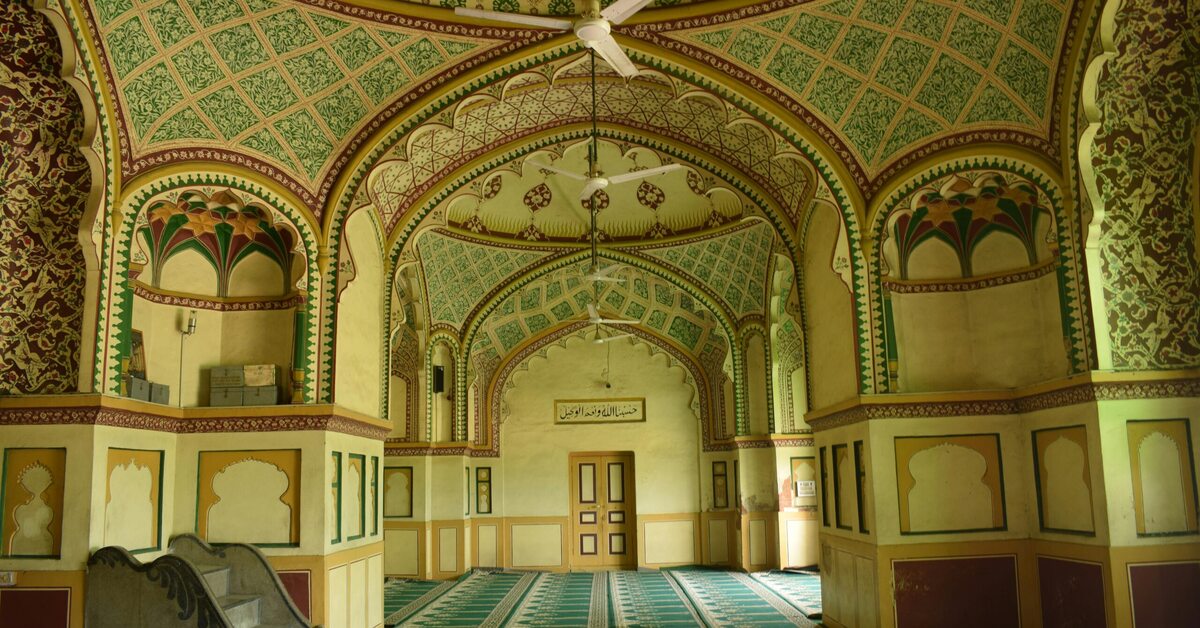
The predominant architectural style in Lucknow’s heritage buildings is Indo-Islamic, which evolved from the fusion of Indian and Islamic architectural traditions. You’ll notice characteristic features: large domes, pointed arches, minarets, and extensive use of decorative calligraphy. The emphasis is on symmetry, geometric patterns, and creating spaces that inspire both awe and tranquility.
British Colonial Structures
The British period added another layer to Lucknow’s architectural heritage. Buildings like the British Residency, La Martiniere, and various churches showcase European architectural styles adapted to Indian conditions. These structures tell the story of cultural exchange, colonial power, and the eventual struggle for independence.
Preservation Efforts and Restoration
Many of Lucknow’s heritage structures are undergoing careful restoration. Organizations like the Archaeological Survey of India (ASI) work to preserve these monuments for future generations. However, the challenge is balancing preservation with accessibility—maintaining the authenticity of structures while making them safe and welcoming for visitors.
The British Residency: A Window into 1857
No heritage tour of Lucknow is complete without visiting the British Residency, though it represents a very different chapter of history.
The Siege of Lucknow
The British Residency complex became the focal point of one of the most dramatic episodes of the 1857 uprising against British rule. For 87 days, British forces and their families were besieged here by Indian freedom fighters. The site witnessed tremendous hardship, bravery on both sides, and ultimately, significant loss of life.
Walking Through History
The Residency has been preserved exactly as it was left after the siege—walls still bear bullet marks and cannon ball impacts. Ruined buildings stand as silent witnesses to those tumultuous days. A museum within the complex displays artifacts, weapons, photographs, and documents from the period.
Walking through these grounds is a sobering experience. The cemetery holds hundreds of graves, including those of women and children. It’s a powerful reminder of the human cost of colonial rule and the struggle for independence.
Royal Palaces and Gardens
Beyond the famous monuments, Lucknow boasts several royal palaces that offer glimpses into how the Nawabs lived.
Kaiserbagh Palace Complex
The Kaiserbagh was once the crown jewel of Lucknow’s royal architecture—a massive palace complex built by Wajid Ali Shah, the last Nawab of Awadh. Though much of it was destroyed after the 1857 uprising, what remains still conveys the scale and ambition of this royal project. The complex contained gardens, palaces, and pavilions spread across acres.
Dilkusha Kothi
Dilkusha, meaning “heart’s delight,” was a royal hunting lodge built in an English Baroque style. Now in ruins, it still exudes romantic charm. The building and its surrounding gardens offer a peaceful retreat and excellent photography opportunities, especially during sunset.
Constantia: La Martiniere’s Majestic Building
We mentioned this earlier, but it deserves special attention as one of the most architecturally unique buildings in India. The mix of styles, the eccentric additions, and the fascinating history of Major General Claude Martin make this more than just a school—it’s a heritage site that tells stories of adventure, ambition, and cultural fusion.
Heritage Walks: Experiencing Old Lucknow
Some of the best heritage experiences happen on foot, away from the famous monuments.
Chowk Area Heritage Walk
The Chowk area represents the commercial heart of old Lucknow. Walking through its narrow lanes, you’ll discover centuries-old shops, traditional eateries, and buildings that have stood since the Nawabi era. The area is chaotic, crowded, and absolutely authentic—this is where Lucknow’s heritage is most alive.
You’ll see craftsmen creating Chikankari pieces, smell the aroma of kebabs being grilled, hear the calls of vendors selling traditional sweets, and witness daily life continuing much as it has for generations.
Hussainabad Heritage Trail
This trail connects several important monuments in the Hussainabad area—Bara Imambara, Chota Imambara, Rumi Darwaza, and the Clock Tower. Walking between these sites, rather than driving, gives you a better sense of their relationship to each other and to the urban landscape.
Photography Tours of Historical Sites
Special photography tours cater to enthusiasts who want to capture Lucknow’s heritage through their lenses. These tours take you to monuments during golden hour, help you find the best angles, and sometimes provide access to areas not usually open to tourists.
Awadhi Cultural Heritage
Lucknow’s heritage extends far beyond architecture into the realm of culture and arts.
Traditional Arts and Crafts
Lucknow has been a center of artistic excellence for centuries. Various traditional crafts continue to thrive here.
Chikankari Embroidery Legacy
Chikankari is Lucknow’s most famous craft—delicate white embroidery on fine fabrics. Legend says this art was introduced by Nur Jahan, Mughal Emperor Jahangir’s wife. The craft involves several specialized stitches, each with its own name and purpose. Watching master craftsmen create these intricate patterns is mesmerizing.
Heritage tour packages often include visits to Chikankari workshops where you can meet the artisans, understand their techniques, and even try your hand at this delicate art.
Classical Music and Dance Traditions
Lucknow is one of the two great centers of Kathak dance in India (the other being Jaipur). The Lucknow gharana (school) of Kathak emphasizes grace, subtle expressions, and storytelling. Attending a Kathak performance by trained dancers is like watching poetry in motion.
The city also has a rich tradition of classical Hindustani music, particularly thumri and ghazal. These musical forms flourished under Nawabi patronage and continue to have dedicated practitioners today.
Poetry and Literature in Lucknow
Lucknow has always been a city of poets. The mushayra (poetry gathering) tradition remains strong, where poets recite their verses to appreciative audiences. The Urdu language reaches its most refined expression in Lucknow, where even everyday conversation carries a poetic quality.
Culinary Heritage: Taste the Royal Flavors
They say you can’t truly understand a culture until you’ve tasted its food. In Lucknow, this is especially true.
The Evolution of Awadhi Cuisine
Awadhi cuisine evolved in the royal kitchens of the Nawabs, where cooking was elevated to an art form. The distinctive features include the dum cooking method (slow cooking in sealed vessels), the use of aromatic spices, and the tradition of tenderizing meat to the point where it melts in your mouth.
This wasn’t food for mere sustenance—it was cuisine meant to impress, to delight, to create memorable experiences. The layered flavors, the careful preparation, the artistic presentation—all reflect the refinement of Nawabi culture.
Heritage Restaurants and Eateries
Some restaurants in Lucknow have been serving the same recipes for over a century. These establishments are heritage sites in their own right. Visiting them isn’t just about eating—it’s about experiencing culinary history.
Places like Tunday Kababi, Idris Biryani, and Rahim’s Kulcha Nahari have become legendary. The recipes are family secrets, passed down through generations, and the preparation methods haven’t changed. When you bite into a galouti kebab at Tunday’s, you’re tasting the same flavors that the Nawabs enjoyed.
Royal Recipes Passed Down Generations
Many families in Lucknow possess royal recipes—dishes that were once prepared in royal kitchens and have been preserved within certain families. Some heritage tour packages include opportunities to dine with such families, experiencing home-cooked Awadhi meals that you simply cannot find in restaurants.
These meals often include rare dishes like murgh musallam, sheermal, roomali roti, and various types of kormas and biryanis prepared using traditional techniques.
Heritage Tour Package Inclusions
What can you expect when you book a heritage tour package?
Accommodation in Heritage Hotels
Many packages include stays in heritage properties—converted palaces, havelis, and colonial-era buildings that have been transformed into hotels. These accommodations offer an immersive experience, allowing you to sleep in rooms that once housed royalty or colonial officials.
The architecture, the antique furnishings, the period decor—everything transports you to another era. Yet these properties provide modern comforts, creating a perfect blend of old-world charm and contemporary convenience.
Guided Tours of Monuments
Professional guides accompany you to all major sites, providing historical context, pointing out architectural details, and sharing stories that bring the monuments to life. Many packages also include skip-the-line access, saving you valuable time.
Cultural Performances and Workshops
Premium packages often include tickets to cultural performances—Kathak dance recitals, classical music concerts, or poetry gatherings. Some also offer workshops where you can learn traditional arts like Chikankari embroidery, Urdu calligraphy, or Awadhi cooking.
Planning Your Heritage Tour
How should you plan your heritage experience?
Duration and Itinerary Options
A comprehensive heritage tour typically requires 3-4 days. This allows sufficient time to explore major monuments without rushing, participate in cultural activities, and truly absorb the atmosphere. However, shorter 2-day packages are available for those with limited time, while extended 5-7 day packages include deeper dives into specific aspects of heritage or day trips to nearby historical sites.
Best Season for Heritage Tourism
The ideal time for a heritage tour is between October and March when the weather is pleasant. The winter months are particularly magical—clear skies perfect for photography, comfortable temperatures for walking tours, and the festive season adds extra vibrancy to the city.
What to Pack for Your Heritage Tour
Pack comfortable walking shoes—you’ll be doing a lot of walking, often on uneven surfaces. Modest clothing is advisable, especially when visiting religious sites. A good camera or smartphone for photography, a notebook if you enjoy journaling, sunscreen and a hat for daytime tours, and perhaps a light shawl or jacket for early mornings and evenings.
Connecting with Lucknow’s Living Heritage
The most meaningful heritage experiences involve connecting with people, not just places.
Meeting Local Artisans
Explore the Rich Heritage of Lucknow: A Tour Package , Many tour packages arrange meetings with traditional craftspeople—Chikankari embroiderers, zardozi workers, pottery makers, and others. Hearing their stories, understanding the challenges of keeping traditional crafts alive, and appreciating the skill required for their work adds depth to your understanding of heritage.
Participating in Traditional Activities
Don’t just observe—participate. Try your hand at embroidery, learn a few Kathak steps, attempt cooking a traditional dish, or join a poetry appreciation session. These hands-on experiences create lasting memories and deeper connections.
Supporting Heritage Conservation
Tourism plays a crucial role in heritage conservation. Your visit generates economic value that justifies preservation efforts. Consider purchasing authentic handicrafts directly from artisans, eating at heritage restaurants, and staying at heritage properties. These choices help ensure that Lucknow’s living heritage survives for future generations.
Why Book a Heritage Tour Package?
With so much information available online, why not just plan everything yourself? Here’s why a package makes sense for heritage tourism specifically.
Heritage sites require context to be fully appreciated. Random visits to monuments without understanding their historical significance or architectural importance means you’re seeing but not truly experiencing. Tour packages provide that context through expert guides, curated itineraries, and supplementary cultural experiences.
Additionally, heritage tourism involves accessing places that aren’t always straightforward to visit independently. Some workshops require advance arrangements, cultural performances need bookings, and the best local experiences come through connections that tour operators have developed over years.
Finally, heritage tour packages save you the considerable time and effort of research, booking, and coordination. This allows you to focus entirely on experiencing and enjoying rather than managing logistics.
Conclusion
Lucknow’s heritage isn’t locked away in the past—it lives, breathes, and evolves in the present. Every monument stands as a testament to human creativity and ambition. Every tradition carried forward represents a link between past and future. Every dish prepared using royal recipes is an act of cultural preservation. And every craftsman keeping traditional arts alive is a guardian of heritage.
A heritage tour package offers you the key to unlock this treasure chest. It’s not just about seeing old buildings or eating famous foods—it’s about understanding a way of life that valued beauty, refinement, and culture above all else. It’s about walking in the footsteps of Nawabs and poets, artists and architects, freedom fighters and ordinary people who together created something extraordinary.
When you explore Lucknow’s heritage, you’re not just learning history—you’re becoming part of its ongoing story. The memories you create, the crafts you purchase, the traditions you appreciate, and the stories you share afterward all contribute to keeping this heritage alive. So book that heritage tour package, open your mind and heart to new experiences, and prepare to be transformed by a city where every corner whispers tales of glory and every experience adds richness to your understanding of India’s incredible cultural tapestry.
FAQs
1. What is unique about Lucknow’s heritage compared to other Indian cities?
Lucknow’s heritage is unique in its combination of architectural brilliance, living cultural traditions, and the refinement of Awadhi culture. Unlike some cities where heritage is primarily architectural, Lucknow’s heritage remains alive in its language, cuisine, arts, crafts, and social etiquette. The city successfully blends Indo-Islamic, Persian, and European influences, creating a distinctive cultural identity. Additionally, the continuity of traditions—families still practicing century-old crafts, restaurants serving the same recipes for generations—makes Lucknow’s heritage accessible and experiential rather than merely historical.
2. Are heritage tour packages suitable for families with children?
Absolutely! Heritage tours can be wonderfully educational and engaging for children when properly designed. Many packages now include child-friendly activities like interactive storytelling sessions at monuments, treasure hunts in heritage areas, hands-on craft workshops, and food tours featuring kid-approved dishes. The mysterious Bhool Bhulaiya is particularly exciting for children. To ensure the best experience, look for packages that specifically mention family-friendly itineraries, which typically include shorter walking sessions, more interactive activities, and flexible schedules to accommodate children’s needs.
3. Can I customize a heritage tour package to focus on specific interests?
Yes, most tour operators offer customization options. If you’re particularly interested in architecture, they can design an in-depth architectural tour with expert commentary. Food enthusiasts can opt for culinary heritage tours focusing on traditional restaurants, home dining experiences, and cooking classes. Art lovers can request packages emphasizing visits to craftsmen, galleries, and cultural performances. Photography enthusiasts can get specialized tours timed for best lighting conditions. Simply communicate your specific interests when booking, and operators can tailor the itinerary accordingly.
4. How physically demanding are heritage walking tours?
The physical demands vary by tour type. Monument visits involve considerable walking and sometimes climbing stairs (the Bara Imambara has several flights). Heritage walks through old city areas typically cover 2-3 kilometers and last 2-4 hours. However, most tours are conducted at a leisurely pace with frequent stops. If you have mobility concerns, inform the tour operator in advance—they can arrange vehicles for longer distances, provide chairs at monuments, or design less physically demanding itineraries. Many heritage hotels and palaces are easily accessible without extensive walking.
5. What are the photography guidelines at heritage sites?
Most heritage monuments in Lucknow allow photography, though some have restrictions. Generally, exterior photography is freely permitted at all sites. Interior photography rules vary—some monuments allow it for free, others charge a camera fee (typically ₹25-200), and a few prohibit flash photography or videography. Religious sites like imambaras may have stricter rules during prayer times. Always ask permission before photographing people, especially at religious sites. Professional photography equipment (tripods, drones) usually requires special permissions. Your heritage tour guide will inform you of specific rules at each location.